
The Eco-Friendly Way to Clean Stucco, Siding & Roofs Without Damaging Your LA Home
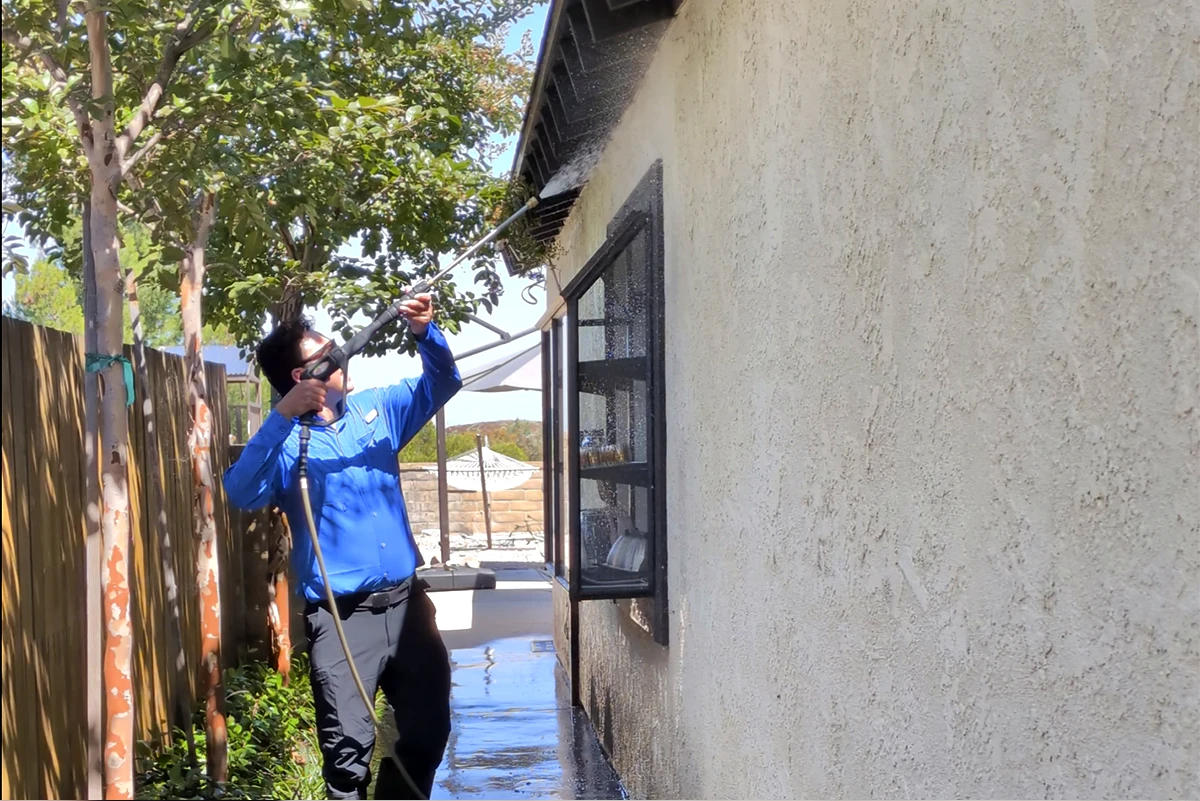
That's where soft washing comes in: a lower-pressure method paired with an eco-friendly cleaning solution that lifts algae, mildew, and grime without stripping paint, cracking stucco, or driving water behind siding where it doesn't belong.
GOOD TO KNOW
Soft washing isn't "pressure washing turned down a little." It swaps high PSI for a biodegradable cleaning solution that does the actual work, then rinses at low pressure. The chemistry breaks down the buildup; the water just washes it away.
Why Your House Isn't a Driveway
What High-Pressure Washing Can Do to Your Home's Exterior
• Strip or peel exterior paint, especially on older siding that's already brittle from sun exposure.
• Crack or pit stucco, which is more porous and far less forgiving than a slab of concrete.
• Force water behind siding and window seals, leading to hidden moisture damage that shows up as a mold problem months later.
• Dislodge roof shingles or granules, shortening the life of a roof that was otherwise fine.
The goal isn't the biggest machine on the truck. It's matching the method to the surface so the house gets clean and stays intact.
What Actually Goes Into an Eco-Friendly Soft Wash
• A biodegradable, EPA Safer Choice-aligned cleaning solution that breaks down organic growth without relying on straight bleach.
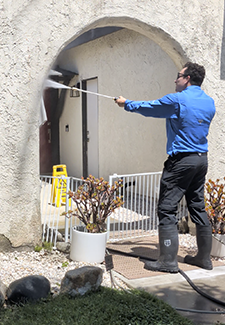
• Pre-soaking plants, landscaping, and pet areas before any solution goes near the wall, and rinsing them again after.
• Low-pressure rinse nozzles, not the driveway attachment, so water pressure never exceeds what the surface can safely handle.
• Spot-testing an inconspicuous area first, especially on older paint or stucco that hasn't been cleaned in years.
Soft Washing vs. Pressure Washing: Picking the Right Tool for Each Surface
• Soft washing — stucco, painted siding, wood siding and trim, roofs, screens, and anything with a painted or porous finish.
• Pressure washing — driveways, concrete patios, pavers, and other hardscape that can take higher PSI without damage.
• Hand detailing — delicate trim, light fixtures, and tight corners where even a soft wash nozzle is overkill.
How to Tell If a Company Actually Knows the Difference
• Do they soft wash siding, stucco, and roofs, or run everything through one high-pressure setting?
• What's actually in the cleaning solution, and is it safe for the plants and pets nearby?
• Do they rinse and protect landscaping before and after, or just hose off whatever's left?
• Can they explain why a surface gets soft washing instead of pressure washing, not just "that's what we always do"?
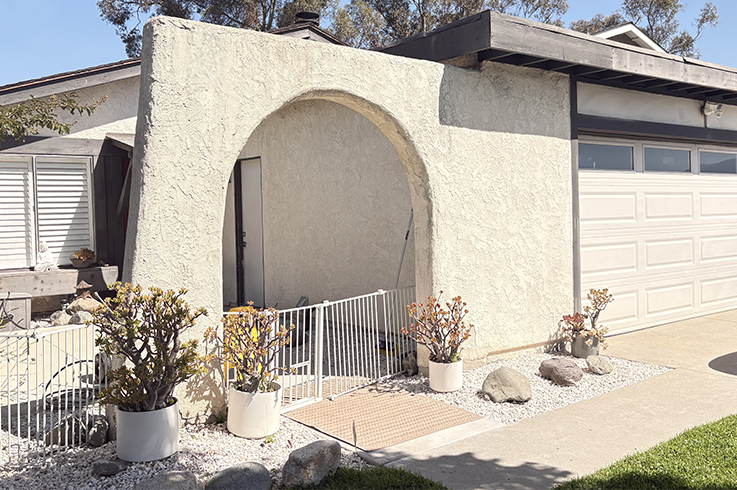
Junk-N-Wash: Soft Washing a Spanish-Style Stucco Home in LA
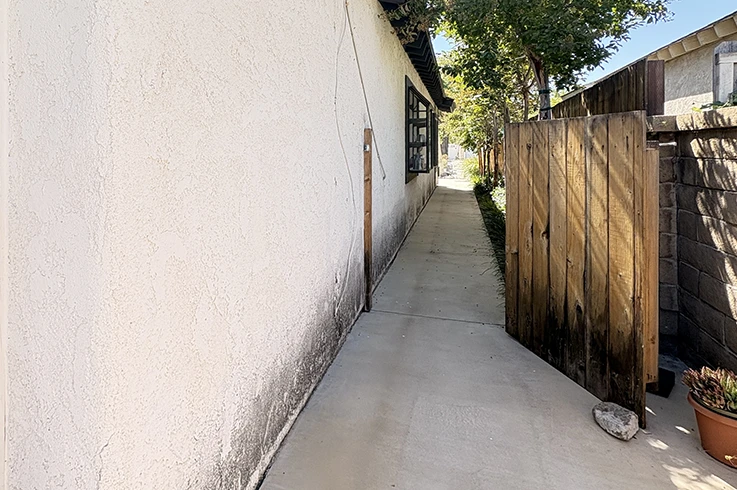
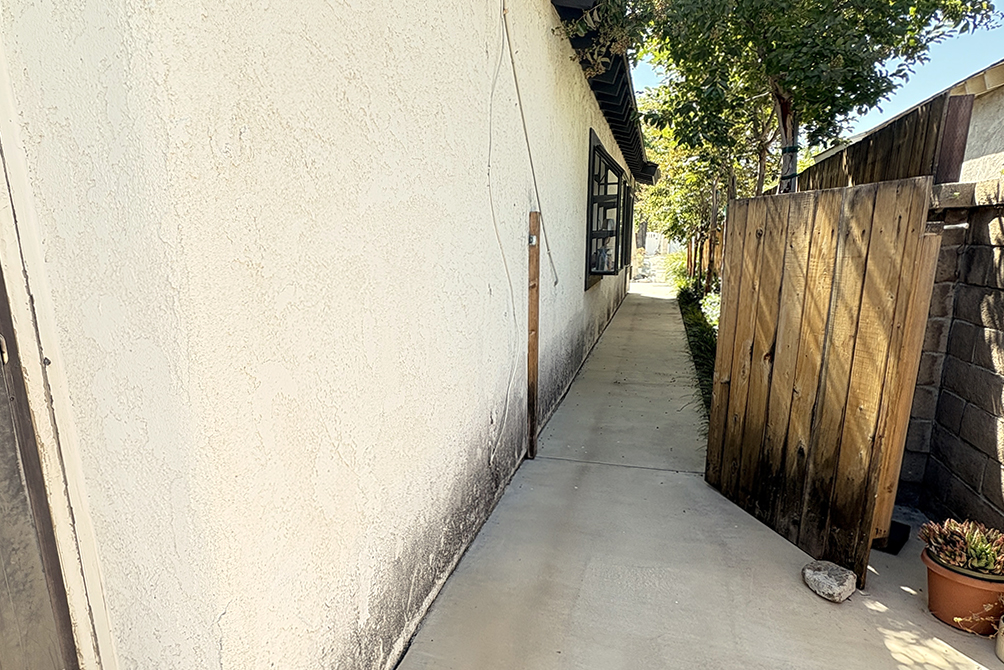
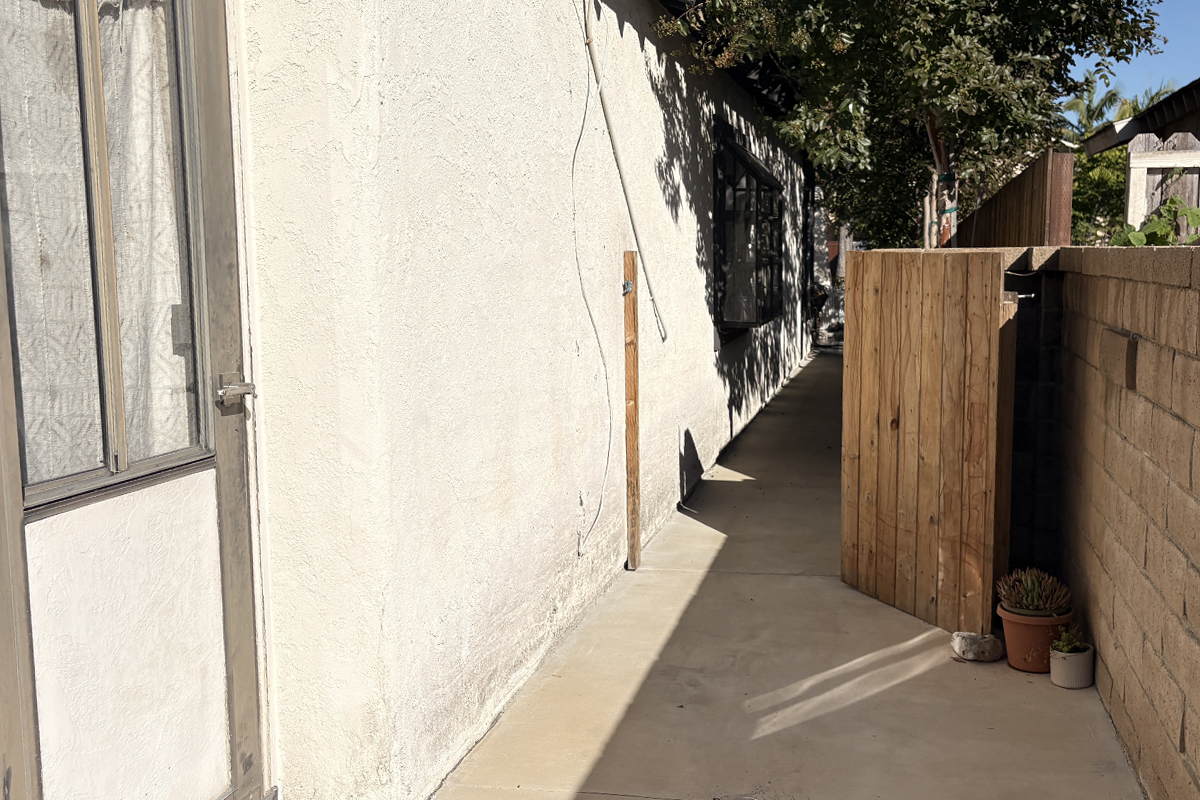
Walk the property first. Every surface got checked, stucco, painted trim, roof tile, and the driveway, so each one got the right method instead of one setting for everything.
Protect the landscaping. Garden beds, irrigation lines, and a dog run along the side yard were soaked down and covered before any solution touched the wall.
Apply the eco-friendly solution and let it work. No scrubbing, no high-pressure blasting, just time for the solution to break down the algae and mildew.
Low-pressure rinse. The buildup came off the stucco and tile roof without stripping texture or dislodging a single shingle.
Pressure wash the driveway separately. The hardscape got the higher-PSI treatment it can actually handle, in the same visit.
Ready to See the Difference?
Ready for an eco-friendly soft wash that won't damage your home? Contact Junk-N-Wash for a free estimate or call (323) 217-4796.