
Bleach in Home Cleaning: Hidden Risks and Safer Alternatives
For decades, Bleach (Sodium Hypochlorite) has been the go-to disinfectant present in millions of homes across the United States. However, behind its germ-killing power lie risks to health, the home, and the environment that many people are unaware of.
At Junk-N-Wash, we believe that a spotless home and garden shouldn't cost your family's health or the planet. That's why we're sharing why it's time to eliminate bleach from your household cleaning routine and which eco-friendly alternatives, backed by the Environmental Protection Agency (EPA), you can use instead.
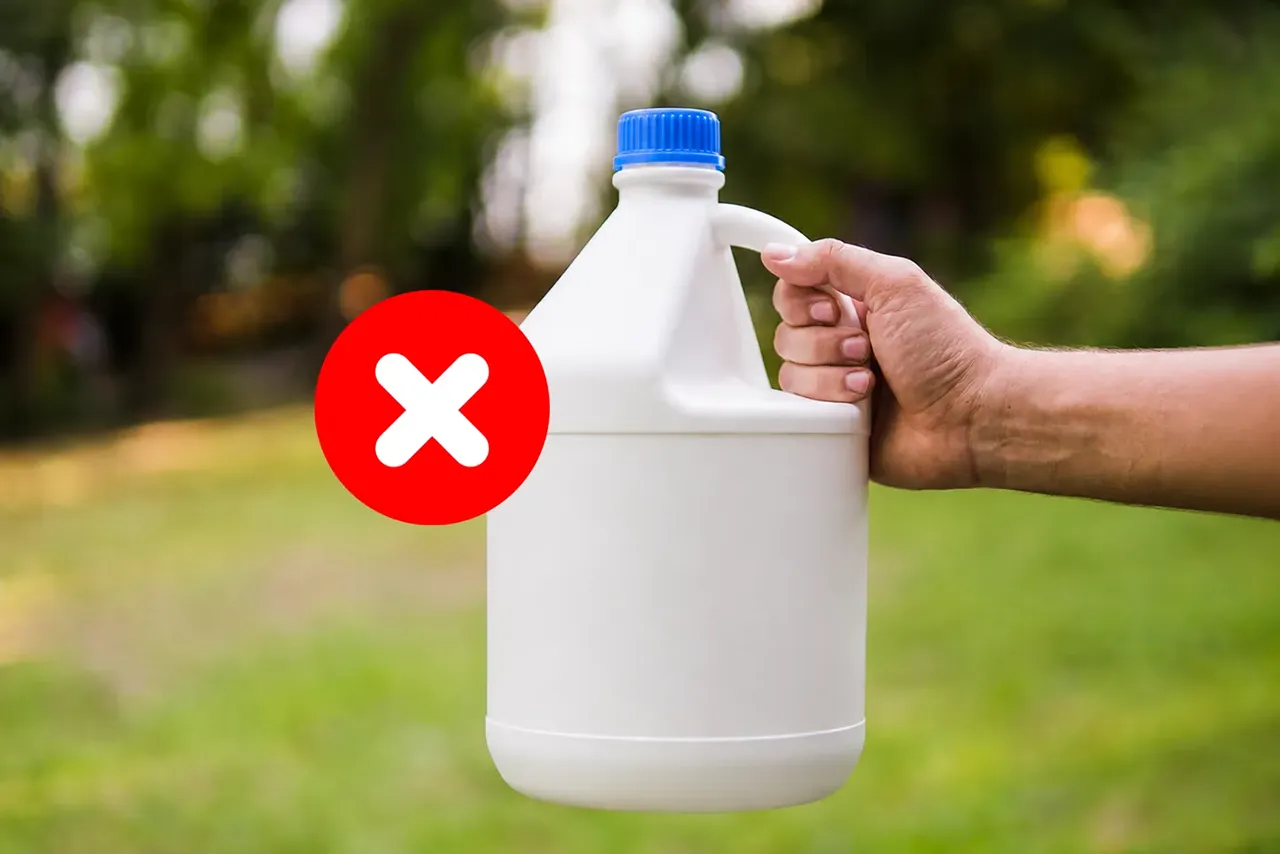
Bleach and its health effects
Exposure to bleach can aggravate respiratory conditions, such as asthma, for those who already suffer from them, but the risk goes further. Since 2012, studies have confirmed that bleach- sodium hypochlorite (NaOCl)- is asthmagenic: meaning it can trigger asthma for the first time in people who have never had it, simply through repeated exposure over time. This is especially relevant for those who frequently clean with bleach, whether at home or at work.
Children are especially vulnerable. Their lungs are still developing, making them more sensitive to bleach fumes compared to adults. Contact of chlorine with the skin or eyes can also cause irritation, even with brief exposures, and people with allergies or who smoke tend to experience more severe symptoms.
The severity of these effects depends on the concentration and the length of exposure. Even in low doses, this chemical can irritate the respiratory tract; at higher concentrations, the risk increases considerably. Therefore, properly ventilating spaces and limiting the use of chlorine are essential steps to protect your entire family's health.
In 2019, bleach was responsible for more than 31,000 calls to U.S. Poison Control Centers. More than a third involved children under 5 years old.
Risks to your home and surfaces
Bleach doesn't just pose a health risk; it can also damage the surfaces you're trying to clean. It is highly corrosive and should never be used on stainless steel, aluminum, copper, brass, marble, or granite—common materials found in kitchens, patios, facades, and decorative garden elements. Over time, this corrosion can dull finishes, cause permanent stains, and shorten the lifespan of surfaces that represent a significant investment in your home.
Another commonly ignored fact is that bleach has a short shelf life. It is recommended to buy only the amount you will use within three months, and solutions should be prepared daily to be truly effective. An expired or improperly stored product loses its potency and can lead to inconsistent cleaning results. The most dangerous risk of all: mixing bleach with ammonia, quaternary compounds (found in other disinfectants), vinegar, or other acids can create toxic gases that can cause severe respiratory damage in a matter of minutes.
The impact of chlorine on gardens and outdoor spaces
Bleach not only threatens the health of people and pets, but it also affects plants, soil, and water sources. Many plants are sensitive to Sodium Hypochlorite, even in small amounts, so its frequent use on patios and in gardens can stunt the growth of lawns, shrubs, and flowers near treated areas.
When used outdoors, bleach residues can seep into the soil and disrupt the balance of microorganisms that keep the earth healthy. When chlorinated water enters storm drains, it can flow into rivers, lakes, or the ocean, harming fish and other aquatic life. For this reason, the Safer Choice program specifically evaluates the aquatic toxicity of each ingredient before granting its certification, ensuring that approved products are safe not only for your garden but also for the ecosystems surrounding your home.
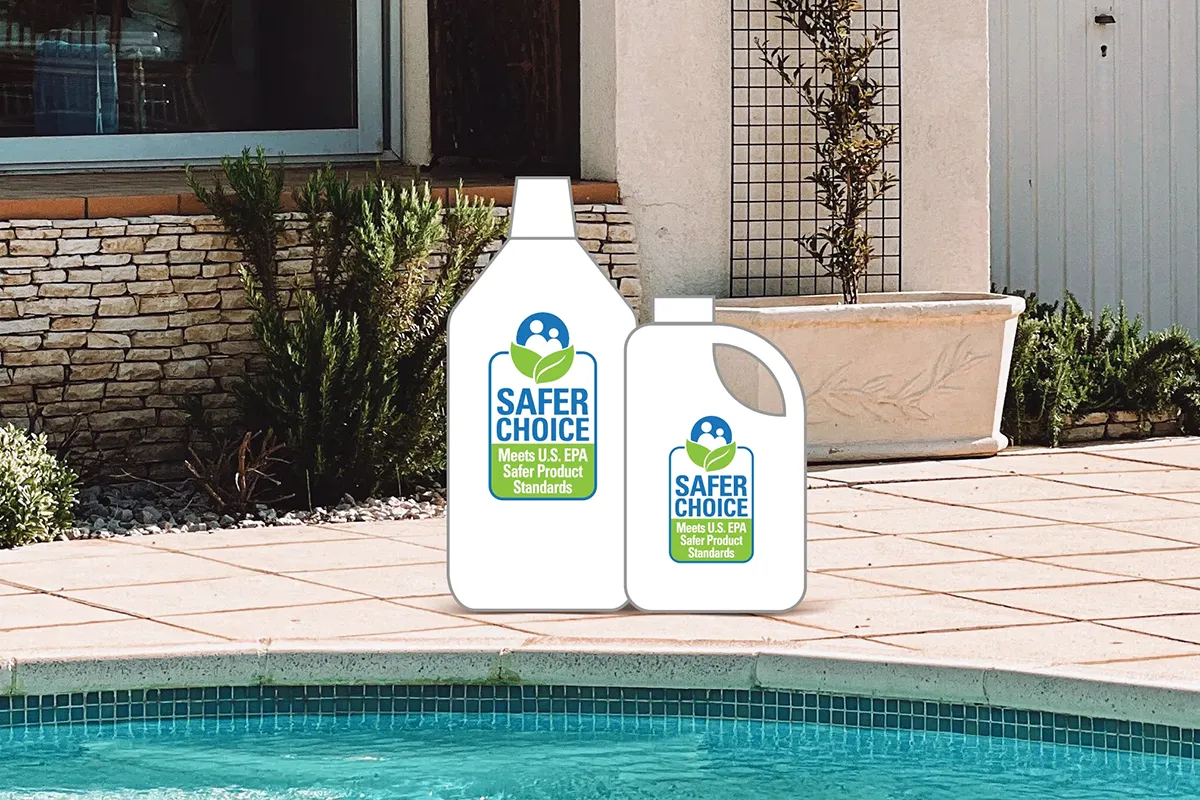
EPA Safer Choice: the science-backed alternative
Identifying truly safe cleaning products can be confusing, especially with so many labels and promises on the market. To simplify this search, the U.S. Environmental Protection Agency (EPA) developed the Safer Choice label, a seal that distinguishes products formulated with safer ingredients for people, pets, and the environment, without sacrificing cleaning performance.
Today, over 2,000 products carry this certification, available for both home and commercial use, in categories ranging from disinfectants to all-purpose cleaners and detergents. To earn the seal, every ingredient in the product—regardless of its proportion—undergoes a rigorous review that evaluates its acute toxicity, carcinogenic potential, effects on the nervous system, impact on reproduction and development, and environmental persistence.
The program also evaluates product performance, ensuring it cleans as effectively as conventional options, maintains pH levels to minimize skin and eye irritation, uses packaging that encourages increasingly sustainable practices, and contains low levels of volatile organic compounds (VOCs), which affect indoor air quality. The EPA conducts annual audits to guarantee that certified products maintain these standards over time.
Tips for reducing chlorine use at home
If you still have chlorine products at home, there are simple steps you can take while transitioning to safer options:
Ventilate spaces well when cleaning and never mix chlorine with other cleaning products.
Store it in a cool, dry place, out of reach of children and pets.
Look for the Safer Choice logo on the label when buying new products: it's the fastest way to identify EPA-certified options.
Test any new product on a small area before applying it to the entire surface, especially on delicate materials like treated wood or natural stone.
Eco-friendly cleaning with Junk-N-Wash
At Junk-N-Wash, sustainability isn't a passing trend: it's part of how we work every single day. We prioritize pressure washing products and methods that are just as effective, but without jeopardizing the health of your family, pets, plants, or your home's surfaces.
Whether you need commercial or residential pressure washing in the Los Angeles area, we work with an approach that respects the environment without sacrificing results. We combine professional equipment with eco-friendly products to achieve a deep clean that leaves no toxic residues and doesn't damage your surfaces over time.
Swapping chlorine for certified alternatives like Safer Choice products is a simple decision with a real impact: fewer respiratory risks, protected surfaces, healthier gardens, and a safer home for your entire family.
Contact us today and discover the difference of a truly residential pressure washing service, designed to care for your home, your garden, and the ones you love most.